
Blog
Ideas, updates, and practical guides from CodeSapient Labs.
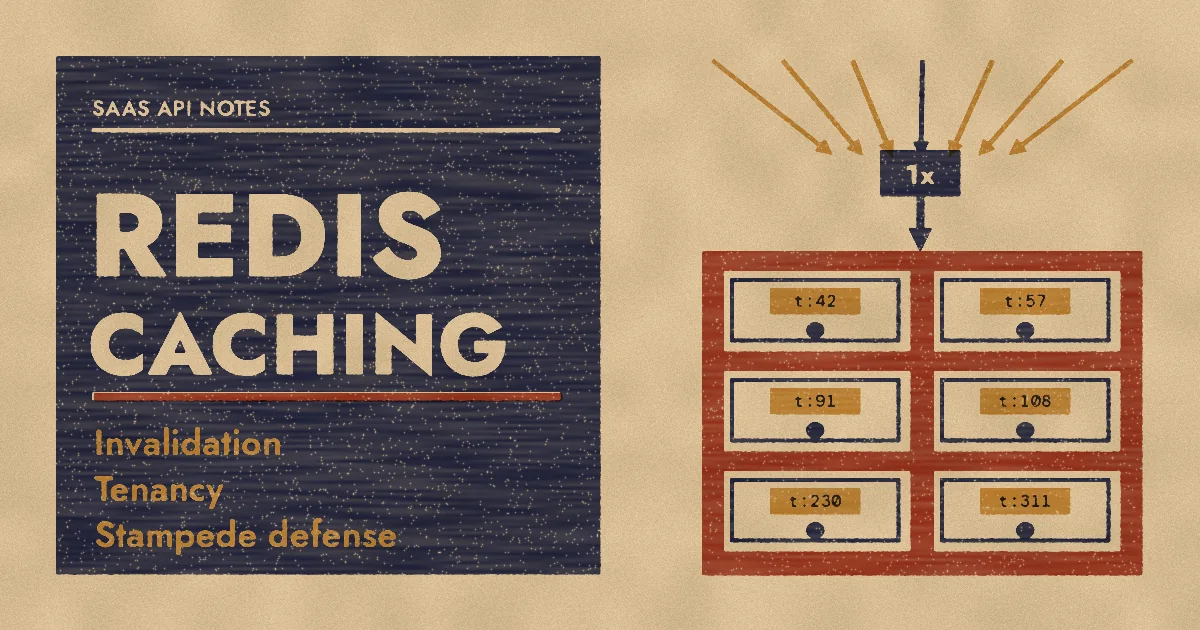
Redis Caching for SaaS APIs: Invalidation, Tenancy, and Stampede Defense
A practical guide to Redis caching for SaaS APIs: cache-aside vs write-through, tenant-safe key design, invalidation that holds up after deploys, and stampede defenses with TTL jitter and single-flight.
Read article →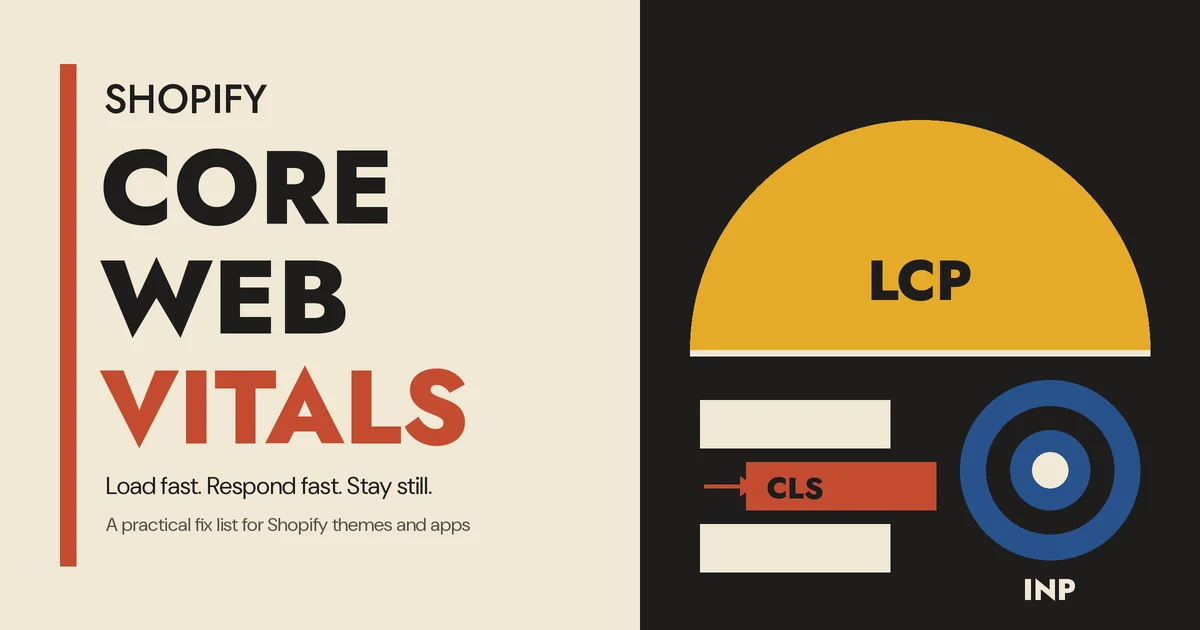
Shopify Core Web Vitals: How to Fix LCP, INP, and CLS on Your Store
A practical guide to Shopify Core Web Vitals: where to find your store's real LCP, INP, and CLS numbers, and the theme, image, and app script changes that actually improve them.
Read article →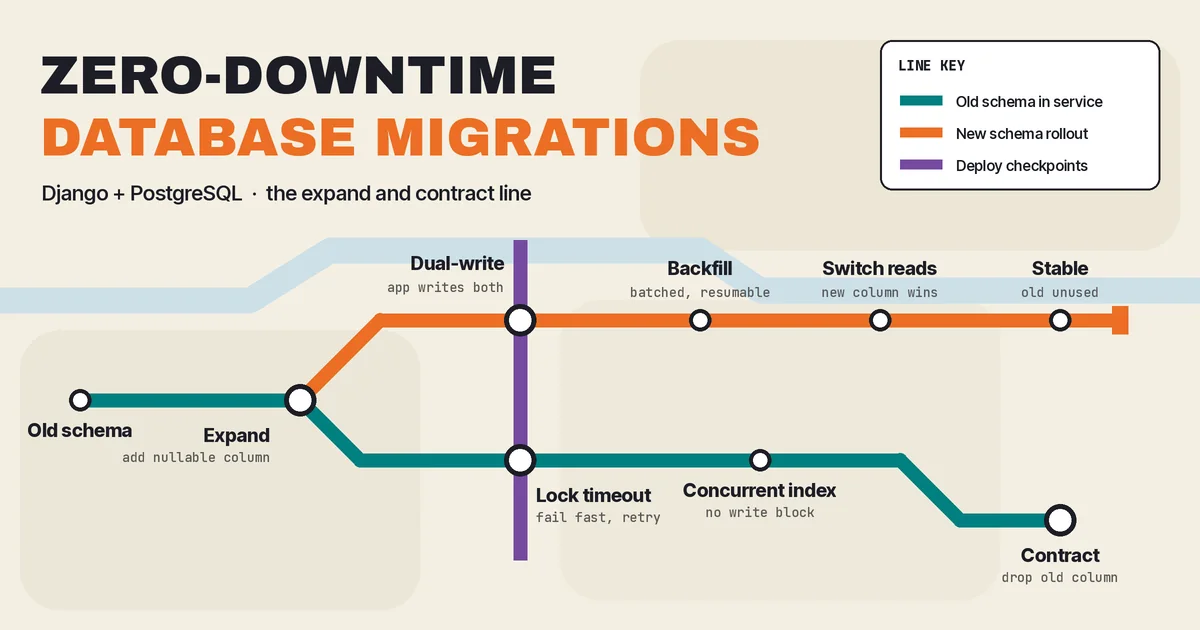
Zero-Downtime Database Migrations for Django and PostgreSQL
How to run zero-downtime database migrations on Django and PostgreSQL: which schema changes take blocking locks, the expand and contract pattern, lock_timeout, concurrent indexes, NOT VALID constraints, and batched backfills.
Read article →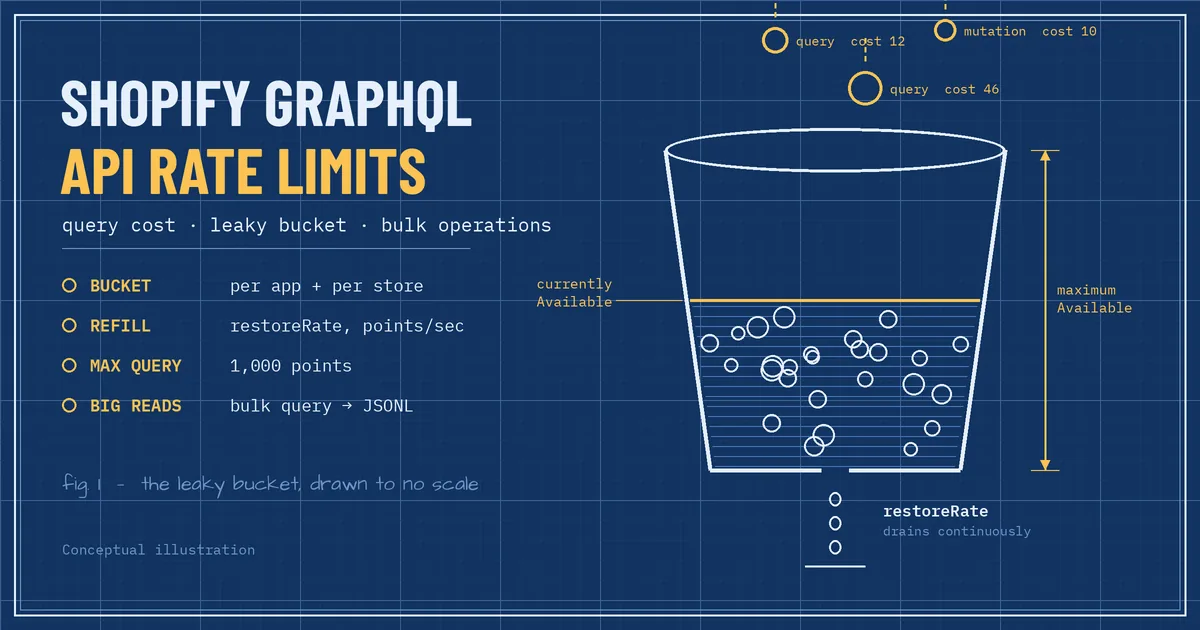
Shopify GraphQL API Rate Limits: Query Cost, Throttling, and Bulk Operations
How Shopify GraphQL API rate limits really work: calculated query cost, the leaky bucket, reading throttleStatus, building a backoff-aware client, and when to switch to bulk operations and webhooks so your app scales with large merchants.
Read article →
Multi-Tenant SaaS Architecture: Tenant Isolation Beyond the Database
A practical guide to multi-tenant SaaS architecture: choosing shared tables, schema per tenant, or database per tenant, enforcing isolation with PostgreSQL row-level security, and closing leaks in caches, jobs, files, and search.
Read article →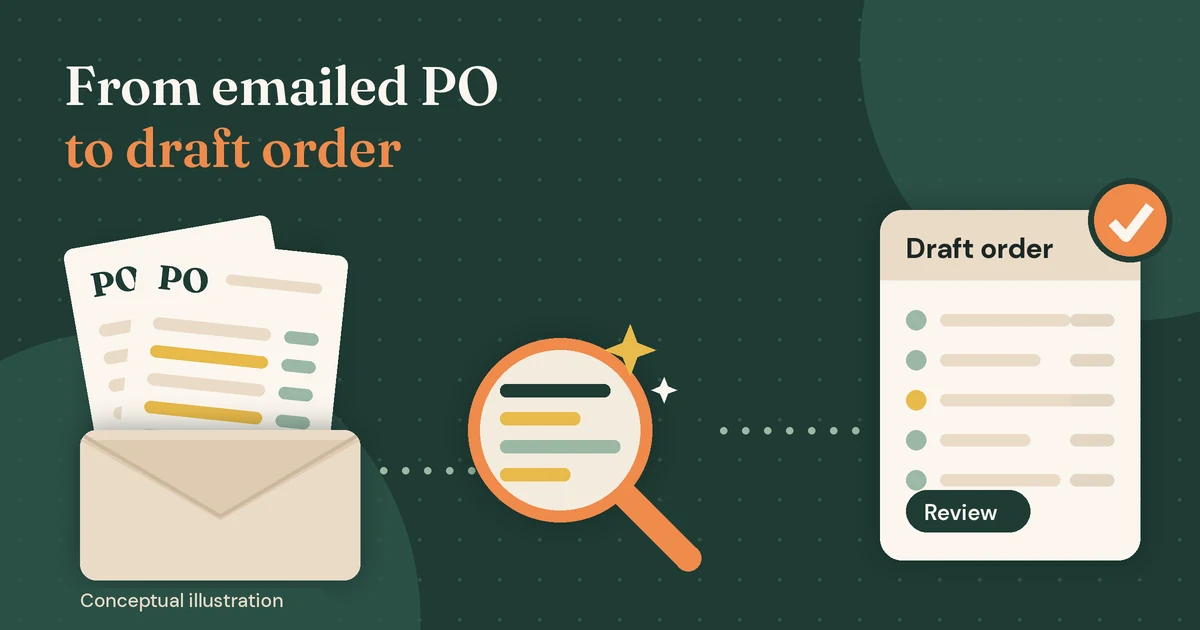
AI Purchase Order Processing for Shopify B2B: From Email to Draft Order
How AI purchase order processing turns emailed PDF POs into reviewable Shopify B2B draft orders: structured extraction, SKU matching, rule checks, confidence lanes, and the mistakes to avoid.
Read article →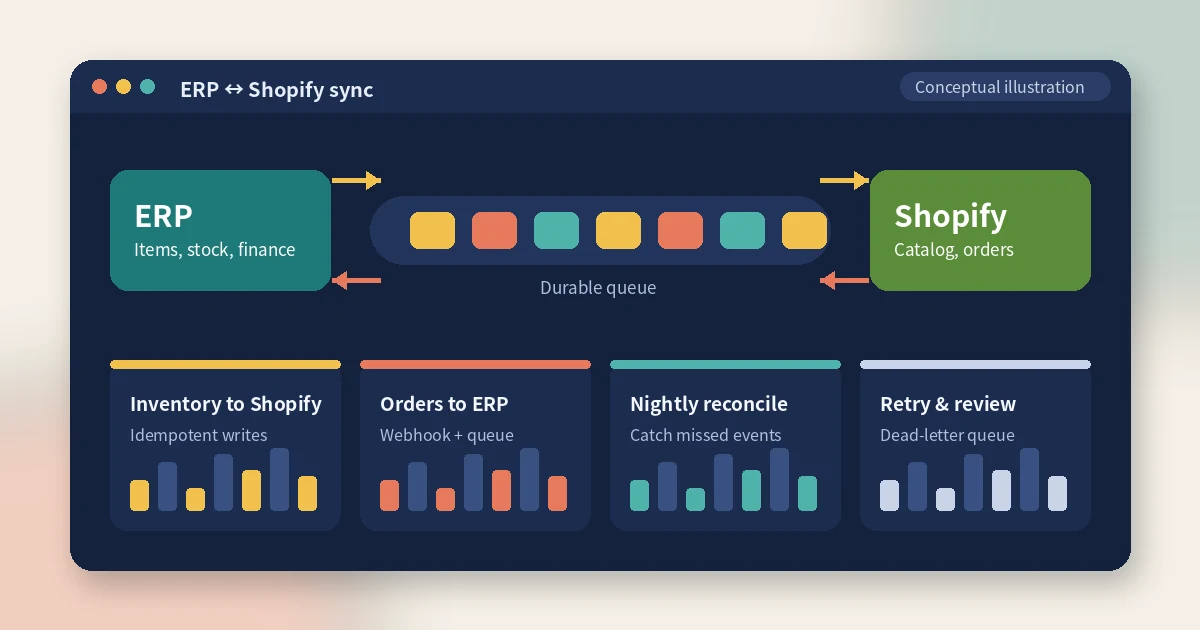
Shopify ERP Integration: Sync Orders and Inventory Without Drift
Plan a Shopify ERP integration that stays in sync: one owner per field, queued webhooks, idempotent inventory writes for API 2026-04, bulk reconciliation, and when a connector beats custom code.
Read article →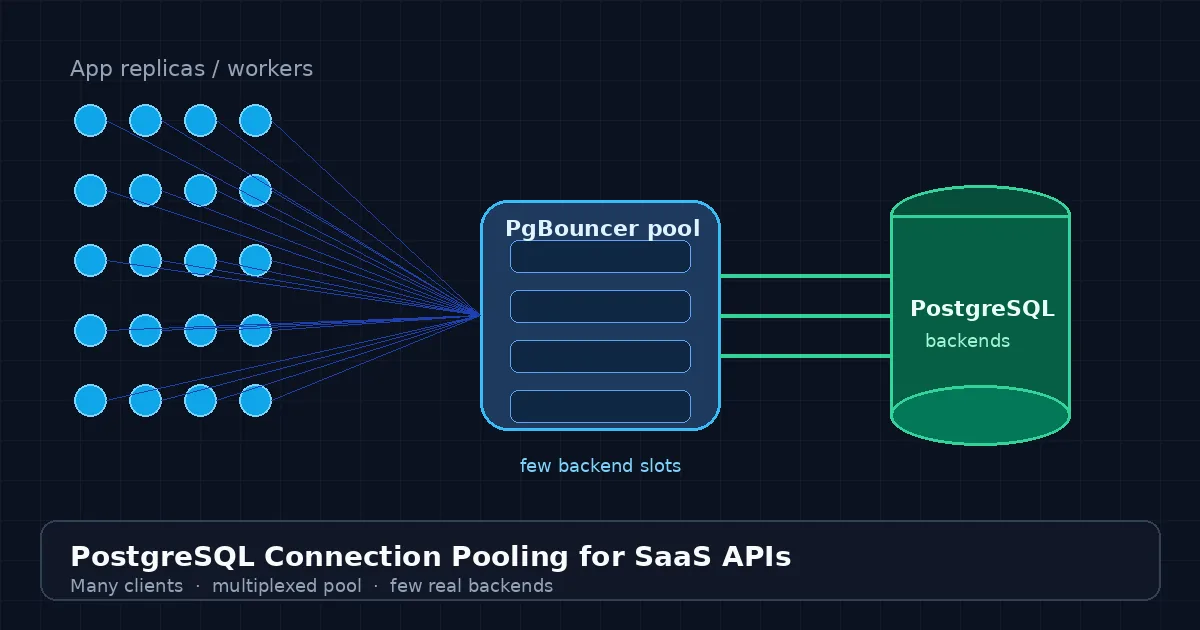
PostgreSQL Connection Pooling for SaaS APIs: PgBouncer That Scales
Stop hitting max_connections: use PgBouncer transaction pooling, size backend pools to CPU, keep a direct URL for migrations, and protect SaaS APIs with timeouts.
Read article →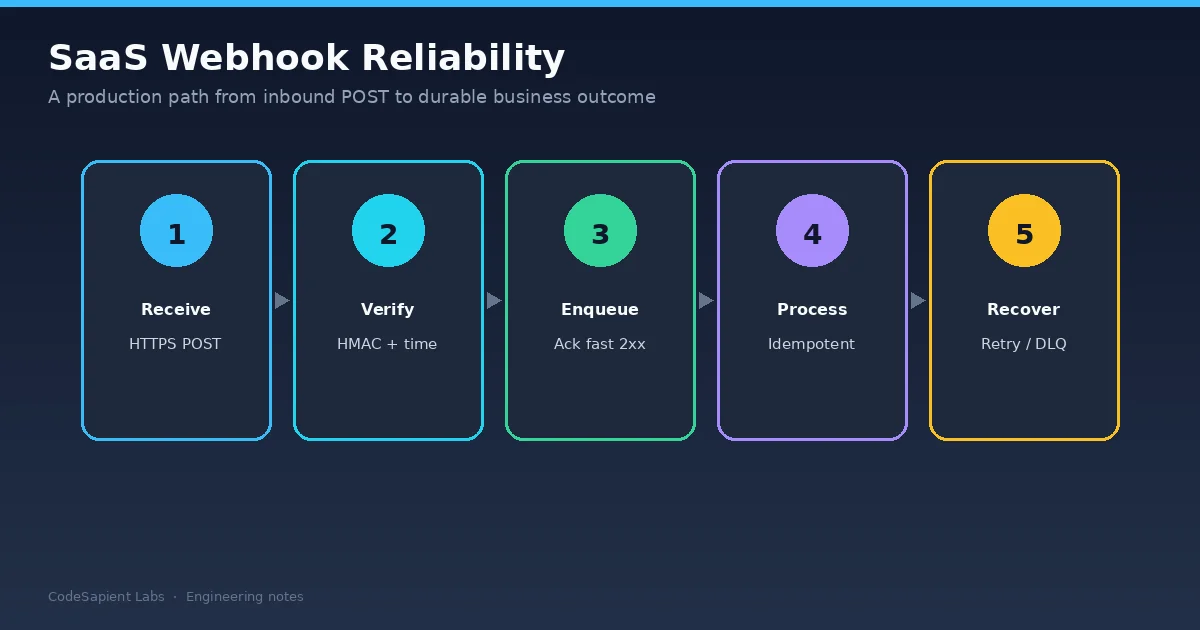
SaaS Webhook Reliability: Signatures, Idempotency, and Retries That Survive Production
Build reliable SaaS webhooks: HMAC verification, fast 2xx acks, atomic idempotency, retries, and dead-letter queues that keep events from becoming incidents.
Read article →